Blog

Deep hydration in summer: active ingredients that really work in high temperatures

Shiny skin, a damp forehead, increased sebum production: in summer, it may seem like hydration isn't a problem. In reality, what we see on the surface only tells part of the story.


Sweat and sebum don't necessarily mean hydrated skin. Beneath a radiant exterior, there may be water loss, a weakened skin barrier, a feeling of tightness, and a less uniform texture.


Sun, wind, salt, chlorine, air conditioning, and frequent cleansing subject the skin to constant stress. Therefore, during the hottest months, it's not enough to simply apply more cream: you need to choose the right active ingredients and combine them strategically.

Shiny but dehydrated skin? Yes, it's possible.

Skin hydration depends on the ability of the stratum corneum to retain an adequate amount of water. When the protective barrier is impaired, transepidermal water loss increases, and the skin becomes more vulnerable to external agents.

The result isn't always obvious dryness. Even combination or oily skin can be dehydrated and react by producing even more sebum in an attempt to compensate for the imbalance.


Signs to watch for include:


  • Tightness after cleansing;
  • Dull complexion;
  • More visible fine lines;
  • Uneven texture;
  • Redness and increased sensitivity;
  • Shine accompanied by a feeling of lack of elasticity.

The answer isn't to forgo hydration, but to choose lightweight, quickly absorbed formulas that work on multiple levels.

Hyaluronic Acid: Not All Hydration Is Created Equal

It's one of the most well-known skincare ingredients, but its true value depends on how it's incorporated into the formula.


High molecular weight hyaluronic acid acts primarily on the skin's surface, where it helps create a hydrating film and provide an immediate sensation of comfort and smoothness. Lower molecular weight forms, on the other hand, have a more nuanced effect on elasticity and firmness.


The combination of hyaluronic acids with different molecular weights therefore allows for multi-level hydration, particularly beneficial in the summer: effective, yet not weighing down.


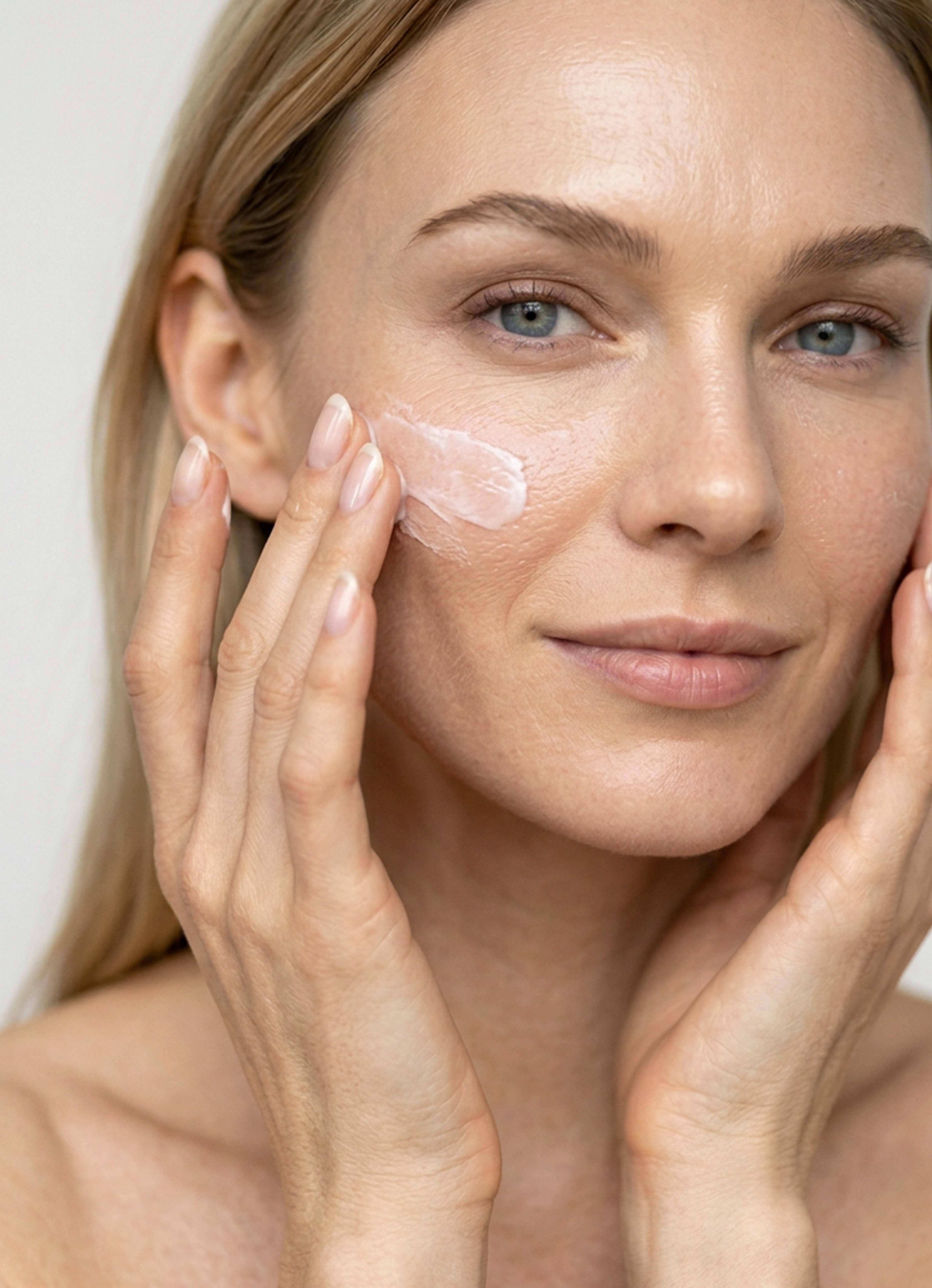
A small trick can make all the difference: apply the product to cleansed, slightly damp skin, completing the routine with a cream that helps limit water evaporation.

Biomimetic sugars: a water reserve for the skin

Summer days expose the skin to constant changes: heat and humidity outside, dry, air-conditioned indoors. This repeated transition from one condition to another can quickly compromise skin comfort.


Biomimetic sugars help counteract this phenomenon because they have a high affinity for the skin's natural hydrating systems. They attract and retain water, helping to maintain the balance of the stratum corneum longer.


Their combination with hyaluronic acid creates an intelligent and sensorially light hydrating system. This is the principle behind the HYDRA BOOSTER Complex, composed of natural biomimetic sugars and high molecular weight hyaluronic acid: a combination designed to create a long-lasting water reserve and prevent evaporation.

Betaine, urea, and sodium lactate: allies of the natural hydration system.

The skin already has its own mechanism for maintaining hydration: the Natural Moisturizing Factor, known as NMF.


It is a combination of substances present in the stratum corneum that retain water and help keep skin soft, supple, and comfortable. Heat, sun exposure, and frequent washing, however, can alter this balance.


Some cosmetic active ingredients help support it:


Betaine, derived from sugar beets, helps maintain constant hydration and provides softness;


Urea, used in cosmetic concentrations, promotes the absorption of water into the stratum corneum;


Sodium lactate, similar to the natural components of NMF, helps improve elasticity and comfort.


These ingredients are valuable not only for the face, but also for the legs, hands, elbows, and feet: often-neglected areas that, in summer, are particularly susceptible to exposure and dehydration.
Plant-based ceramides: retaining water where it's needed.

Attracting water into the skin is only half the battle. If the skin barrier is compromised, that water is rapidly lost.


Ceramides are an essential part of the structure of the stratum corneum. We can think of them as the "cement" that holds the skin's surface cells together. When they decrease, the barrier becomes less efficient and water loss increases.


Plant ceramides help strengthen this structure, improving elasticity, softness, and the ability to retain moisture.


Even in summer, therefore, the skin needs lipids. The key is not to eliminate them from your routine, but to choose them in balanced and comfortable textures.

Niacinamide: Much More Than a Moisturizing Active

If there's one ingredient that's particularly suited to a comprehensive summer skincare regimen, it's niacinamide.


Also known as vitamin B3, it helps support the skin barrier and the natural production of epidermal lipids. At the same time, it helps improve the appearance of pores, redness, and uneven skin tone.


It's therefore particularly useful when dehydration is accompanied by shine, sensitivity, or discoloration exacerbated by sun exposure.


But one fundamental principle should be remembered: no cosmetic active ingredient can replace sunscreen. In the morning, your routine should always end with a broad-spectrum product suited to your skin type and exposure conditions.

Vegetable oils and antioxidants: nourish without the harshness.

In summer, we often tend to completely eliminate oils and butters from our skincare routine, fearing they might make our skin shine. In reality, their effectiveness depends on the formula's overall composition and final texture.


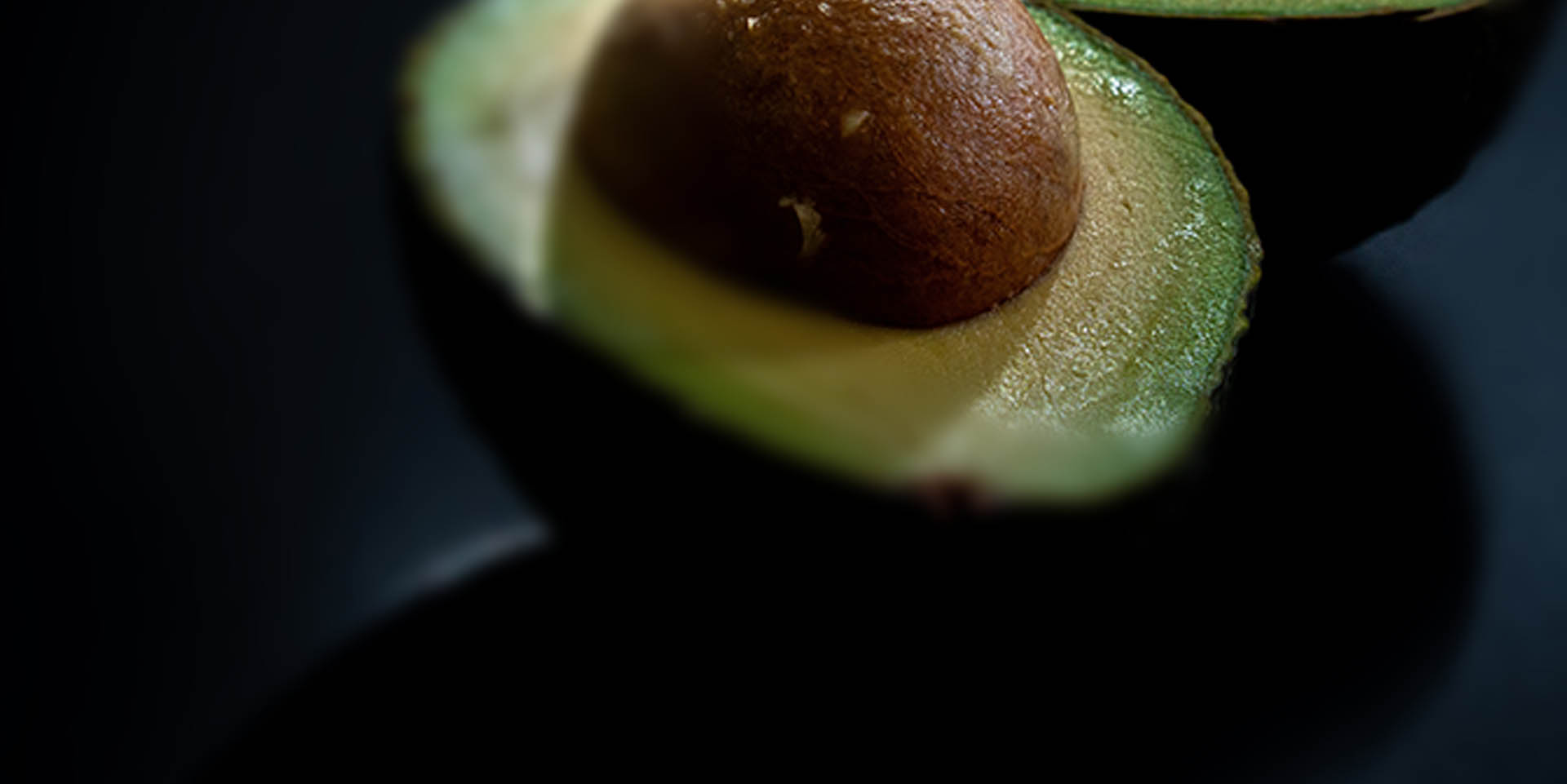
Argan oil, avocado oil, and shea butter provide fatty acids and active ingredients that help nourish the skin and reduce water loss.


Vitamin E complements this action thanks to its antioxidant properties, helping protect skin lipids from oxidative stress.


Incorporated into advanced, rapidly absorbed emulsions, these ingredients can provide nourishment and comfort without leaving an overly rich feel.

The summer routine that keeps you hydrated longer

To care for your skin when temperatures rise, you don't need to multiply your products. Four well-constructed steps can be enough.


1. Cleanse without stripping

Remove sweat, impurities, and sunscreen residue using a gentle cleanser and warm water. Overly aggressive cleansing can further weaken the skin barrier.


2. Build a water reserve

Apply a formula with hyaluronic acid, biomimetic sugars, betaine, or components similar to the Natural Moisturizing Factor.


3. Seal and strengthen

Complete with a cream containing ceramides, niacinamide, and plant lipids, choosing a texture suited to your skin. This is the step that helps retain water longer.


4. Protect every morning

Finish with a broad-spectrum sunscreen and reapply throughout the day based on exposure and product recommendations.


Once or twice a week you can add an intensive mask, especially after a day spent in the sun, wind, at the beach or in air-conditioned environments.

In summer, your skin doesn't need less: it needs better.

Good summer hydration comes from the synergy of different active ingredients.


Hyaluronic acid, biomimetic sugars, and NMF components increase water availability. Ceramides and plant lipids help retain it. Niacinamide and antioxidants support the skin barrier and help keep skin even, radiant, and protected.


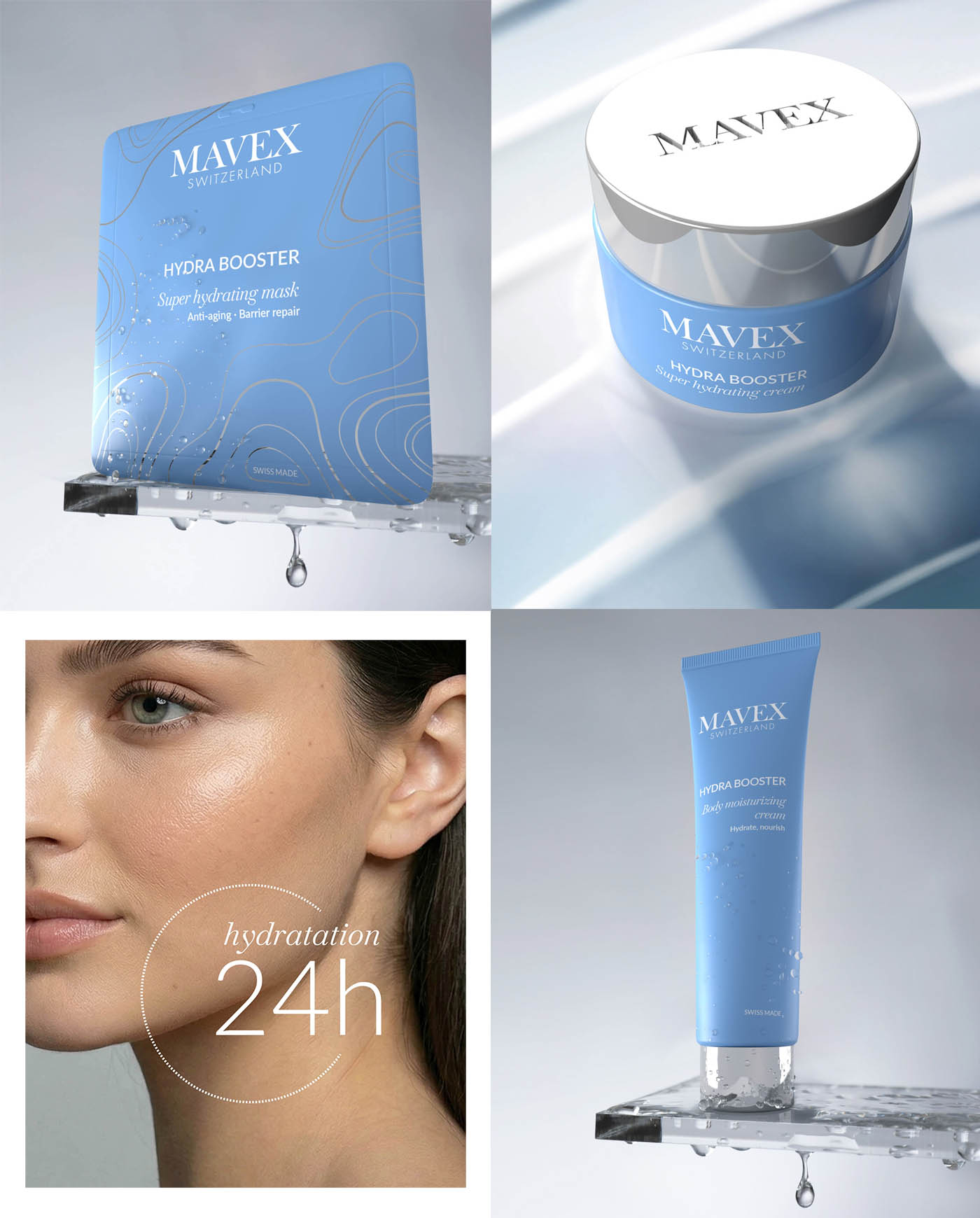
The MAVEX Hydra Booster line integrates these mechanisms in formulas designed to replenish the skin's water reserves and restore comfort, elasticity, and radiance.


Because when temperatures rise, the real difference isn't made by the amount of product applied, but by the precision with which we choose the active ingredients our skin really needs.

Sign in

Menu

info@mavex.swiss

Call us from Switzerland

091 220 55 10

Call us from abroad

+41 91 220 55 10

Your cart

There are no more items in your cart