After the sun: How to repair your skin with the right active ingredients in 4 steps
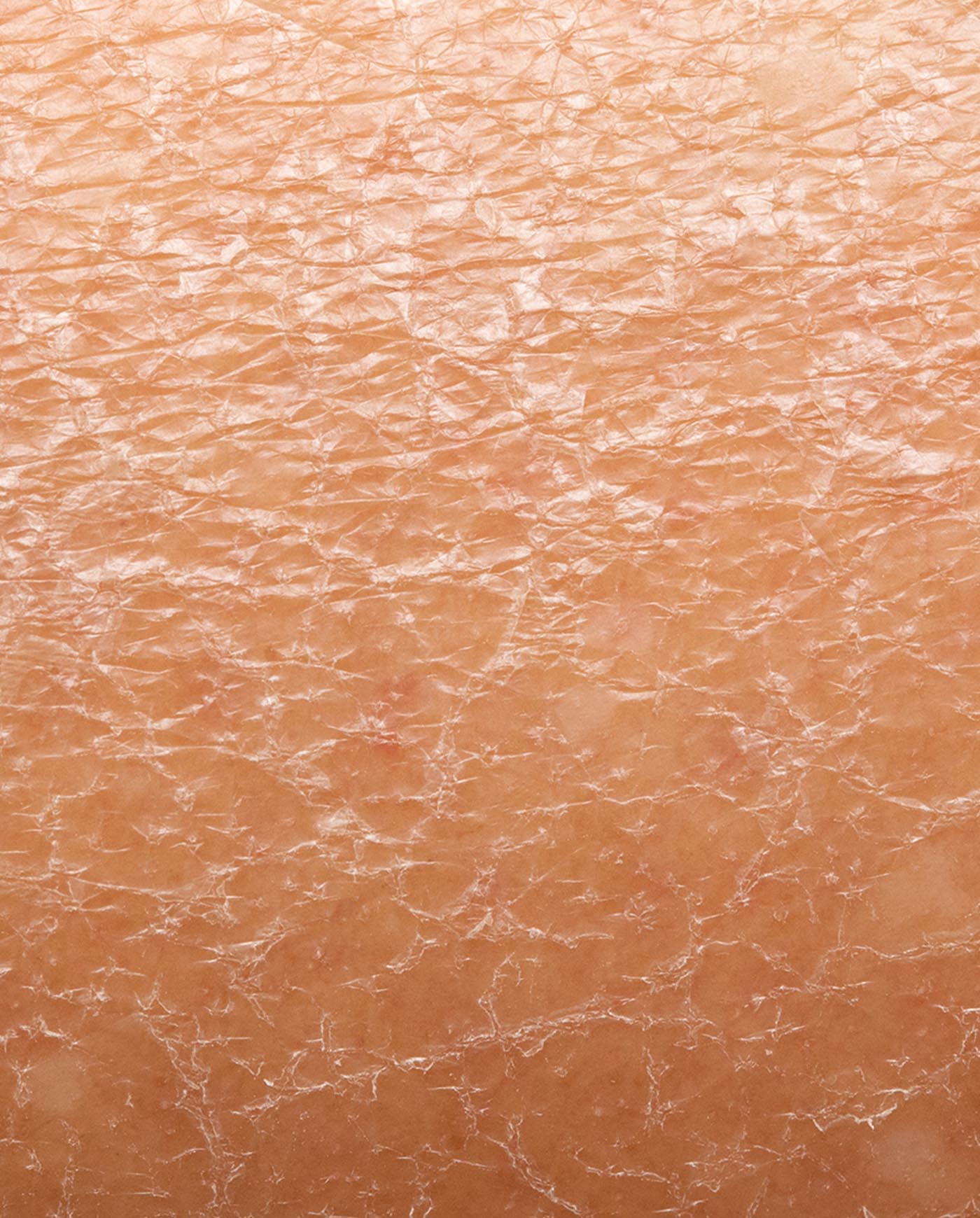
Sun, wind, salt, chlorine, and high temperatures can severely challenge the skin's balance. After a day outdoors, skin may appear drier, more sensitive, red, or uneven: signs that indicate a reduction in water reserves and a temporary alteration of the protective barrier.
After-sun skincare should therefore go beyond simply providing a sensation of freshness. To promote skin recovery, targeted intervention is necessary, choosing active ingredients capable of hydrating, soothing, strengthening the barrier, and counteracting oxidative stress.
Here's how to build an effective routine in four steps.
Step 1: Cleanse gently
The first step is to remove sunscreen residue, sweat, salt, sand, and impurities from the skin. At this stage, however, overly aggressive cleansing can worsen dryness, sensitivity, and tightness.
It's best to choose a gentle cleanser, using it with warm water and without rubbing. After sun exposure, it's also advisable to temporarily discontinue scrubs, peels, and cleansing brushes, especially if redness is present.
The goal isn't to exfoliate intensely, but to cleanse while preserving the skin's hydrolipidic film and preparing it for subsequent treatments.
Step 2: Replenish water reserves
Heat and exposure to external agents can increase water loss from the skin's surface. Therefore, the second step should focus on hydration.
Among the most useful active ingredients are:
- hyaluronic acid of different molecular weights;
- biomimetic sugars;
- betaine;
- urea at cosmetic concentrations;
- sodium lactate;
- glycerin.
These substances help attract and retain water in the stratum corneum, improving comfort, elasticity, and softness. Serum, gel, or light emulsion textures are particularly pleasant in the summer, but must be complemented by a product capable of limiting subsequent hydration loss.
For a more intensive treatment, a hydrating and soothing mask can be applied. The MAVEX Super Hydrating Mask, made of vegetable cellulose, is designed to offer an immediate treatment capable of hydrating, plumping, and comforting the skin in 15 minutes. Discover the Hydra Booster line.
Step 3: Soothe and strengthen the skin barrier
Moisturizing is essential, but not always sufficient. When the skin barrier is weakened, water tends to evaporate more easily and the skin becomes more reactive to external stimuli.
Soothing and repairing active ingredients are particularly suitable at this stage, such as:
- allantoin;
- niacinamide;
- ceramides;
- panthenol;
- shea butter;
- vegetable oils rich in fatty acids;
- vitamin E.
Ceramides and plant lipids help replenish the lipid component of the stratum corneum, while niacinamide supports the barrier function and helps make the skin more even. Allantoin and panthenol are valuable when sensitivity and discomfort prevail.
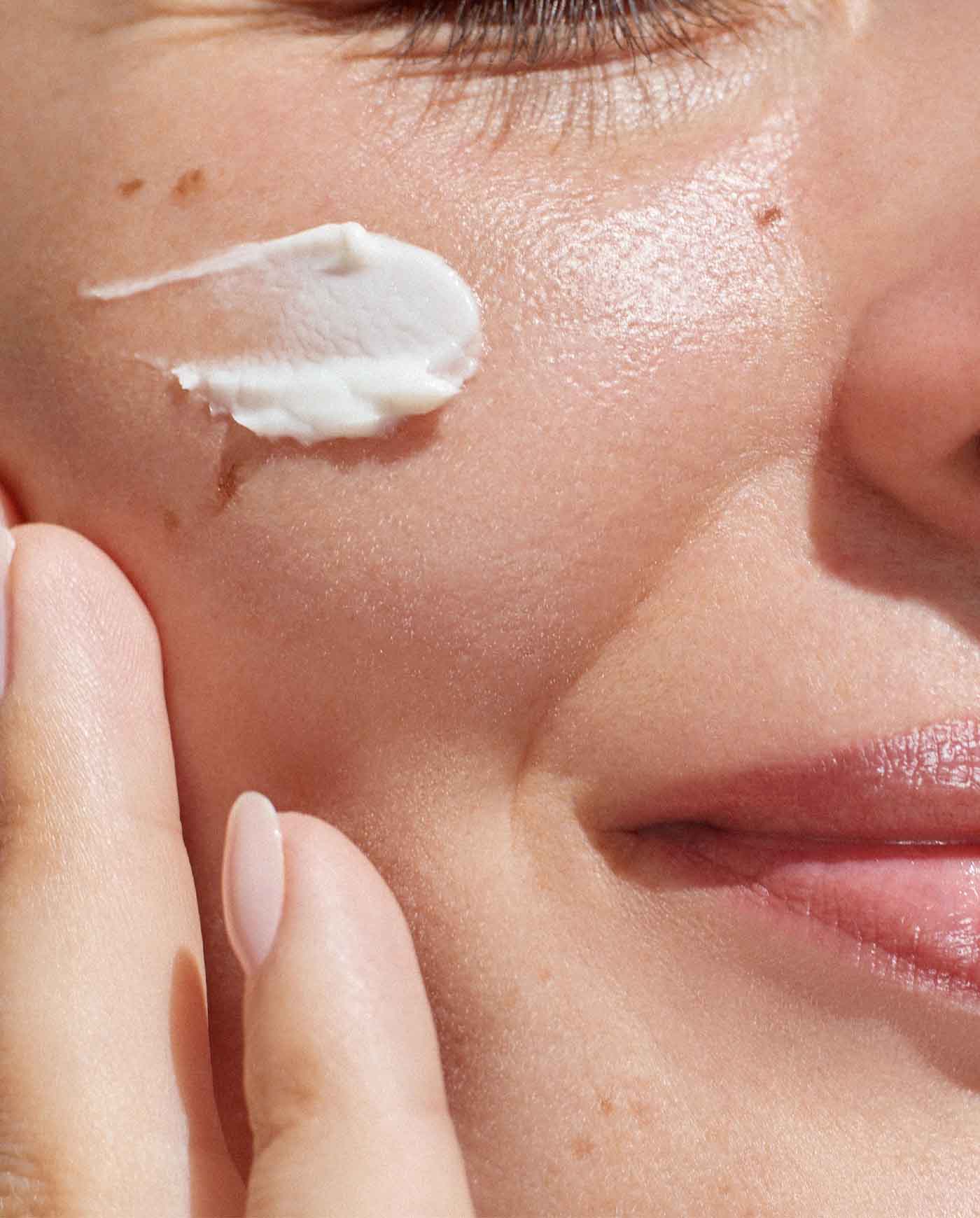
The MAVEX Hydra Booster line combines hyaluronic acids, biomimetic sugars, plant ceramides, niacinamide, and rebalancing active ingredients to act on hydration, the skin barrier, protection, and comfort. Super Hydrating Cream can be used as a daily treatment to help skin regain softness, elasticity, and radiance.
The body also requires the same attention. After showering, it's helpful to apply the cream to skin that's still slightly damp, focusing on the most exposed areas prone to dehydration, such as shoulders, décolleté, arms, and legs.
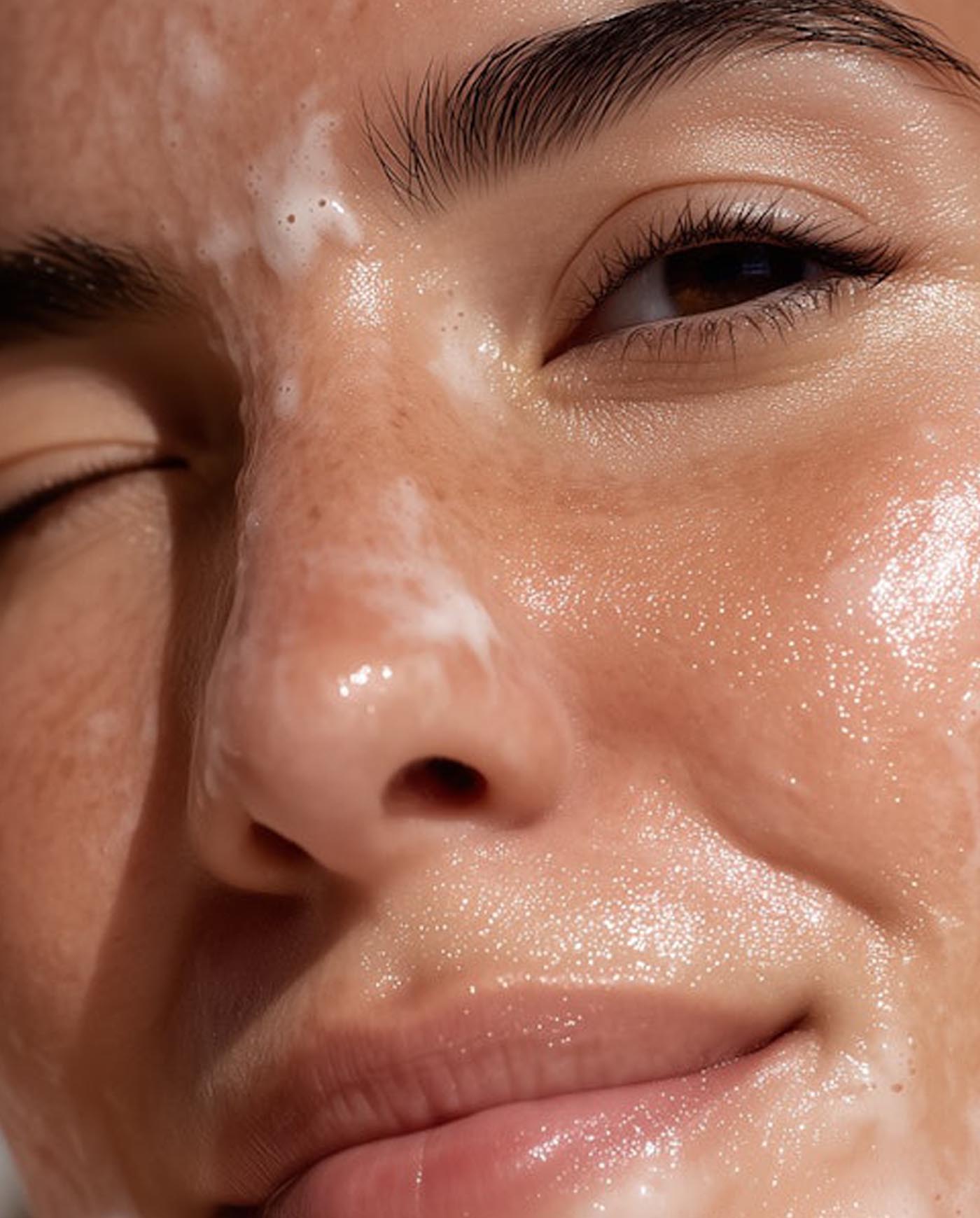
Step 4: Protect from oxidative stress and prevent further damage.
Exposure to UV rays promotes the formation of free radicals, molecules involved in oxidation processes and premature skin aging. To complete your after-sun routine, it's therefore helpful to integrate antioxidant active ingredients, which support the skin's natural defense mechanisms.
Among the most commonly used in cosmetics are:
- vitamin E;
- stabilized vitamin C derivatives;
- polyphenols;
- antioxidant-rich vegetable oils;
- selected botanical extracts.
These ingredients do not replace sunscreen, but complement your daily routine by helping to maintain elasticity, firmness, and radiance.
The next morning, it's essential to reapply a broad-spectrum sunscreen, even if your skin appears to have recovered. After-sun routines and sunscreen work hand in hand: the former supports skin recovery, the latter reduces the risk of further damage.
Assets to be temporarily suspended
When skin is hot, red, or sensitive, it's not the time to intensify your routine. For a few days, it may be best to avoid:
- highly concentrated exfoliating acids;
- retinoids;
- mechanical scrubs;
- particularly intensive depigmenting treatments;
- products containing high levels of perfume or alcohol.
At this stage, a simple rule applies: fewer products, but more carefully selected. A simple, gentle, and consistent routine allows the skin to regain its balance without overloading it.
A strategy that continues even after the summer
Caring for your skin after sun exposure doesn't mean addressing redness alone. Even seemingly well-tolerated exposure can leave you feeling dehydrated, rough, and dull.
Gentle cleansing, multi-level hydration, barrier strengthening, and antioxidant protection are the four key steps to promoting natural skin recovery.
Cosmetic technology now allows you to combine these mechanisms into comprehensive and sensorially pleasing formulas. Incorporating the right active ingredients into your routine transforms after-sun into a true beauty treatment: not just instant relief, but a daily strategy to keep skin hydrated, even, and vibrant for longer.