
Sun Spots in September: Causes, Treatments, and the Ingredients That Really Work
September is often the month when the skin shows the effects of summer. The tan gradually begins to fade and, just as the complexion becomes lighter again, dark spots, discoloration, and areas of uneven pigmentation that were less visible during the previous months may become more noticeable.
This is not necessarily a sudden phenomenon: very often, the spots we notice in September are the result of cumulative sun exposure during the summer.
For this reason, the beginning of autumn is one of the most interesting times to establish a skincare routine focused on radiance, an even complexion, and the prevention of new discoloration.
Why Do Spots Become More Visible After Summer?
Skin color mainly depends on melanin, the pigment produced by melanocytes to protect the skin from ultraviolet radiation.
When the skin is exposed to UV rays, melanin production increases: this is the mechanism behind tanning.
The problem arises when this production does not occur uniformly.
Intense or repeated exposure can in fact promote a localized accumulation of melanin, causing darker areas to appear compared with the rest of the complexion.
During the summer, an overall tan can temporarily mask these differences. With the natural cell renewal process that takes place over the following weeks, however, the uniform color tends to diminish and hyperpigmented areas progressively become more noticeable.
The areas most commonly affected include:
-
forehead;
-
cheekbones;
-
lip contour;
-
bridge of the nose;
-
décolleté;
-
backs of the hands.
These are in fact the areas that receive UV radiation most frequently throughout the year.
Not All Spots Are the Same
When we generally talk about “sun spots,” we may actually be referring to different manifestations.
Solar lentigines, for example, are small pigmented areas that can gradually appear in areas most exposed to light.
Melasma, on the other hand, tends to appear as larger, symmetrical areas, especially on the forehead, cheeks, and upper lip, and is linked to a combination of individual predisposition, hormonal factors, and sun exposure.
There is also post-inflammatory hyperpigmentation, which can develop after acne, irritation, or skin inflammation and become more pronounced following UV exposure.
Correctly identifying the origin is important because it allows for a more targeted treatment to be chosen. In the presence of new or irregular spots, or spots that rapidly change in appearance, it is always advisable to consult a dermatologist.
September Is the Right Time to Take Action
As the intensity of sun exposure gradually decreases, September represents an excellent time to reorganize your skincare routine.
The goal should not simply be to “lighten a spot,” but to act simultaneously on several mechanisms:
-
reduce already visible pigmentation;
-
counteract irregular melanin production;
-
promote cell renewal;
-
protect the skin from the appearance of new discoloration.
Treatment should therefore be gradual and consistent.
The most effective strategies generally combine three elements:
skin renewal + brightening actives + daily sun protection.
The Ingredients That Really Work Against Spots and Discoloration
In recent years, cosmetic research has identified numerous active ingredients capable of acting on the mechanisms responsible for hyperpigmentation.
Niacinamide
Niacinamide, or vitamin B3, is one of the most versatile ingredients in modern skincare.
It helps improve the function of the skin barrier and is also used in cosmetic treatments designed to promote a more even complexion.
It also has an important advantage: it is generally well tolerated and can therefore be easily incorporated into even complex skincare routines.
It is no coincidence that it is one of the active ingredients found in Mavex’s White Perfection line, specifically formulated to combat spots and discoloration.
Vitamin C
Vitamin C is best known for its antioxidant action.
It helps counteract oxidative stress caused by environmental exposure and contributes to making the complexion brighter and more even.
Modern cosmetic formulations often also use stabilized forms of vitamin C, designed to improve its stability and performance within the formula.
Hexylresorcinol
Hexylresorcinol is a particularly interesting active ingredient in formulations designed to address discoloration.
It is used to act on the processes involved in the formation of pigmentation and is often combined with other brightening ingredients, creating multifunctional treatment systems.
Mavex uses it, together with niacinamide and vitamin C, in the White Perfection line.
Alpha-Hydroxy Acids and Cell Renewal
Promoting turnover of the skin’s surface layer can progressively help improve the brightness and evenness of the complexion.
For this reason, alpha-hydroxy acids and other exfoliating systems are often included in cosmetic protocols designed to address discoloration.
However, the goal should not be aggressive exfoliation.
Excessively irritated skin can in fact react with greater sensitivity and, in predisposed individuals, inflammation itself can promote new pigmentation changes.
The key word is therefore controlled renewal.
The Mavex White Perfection Strategy
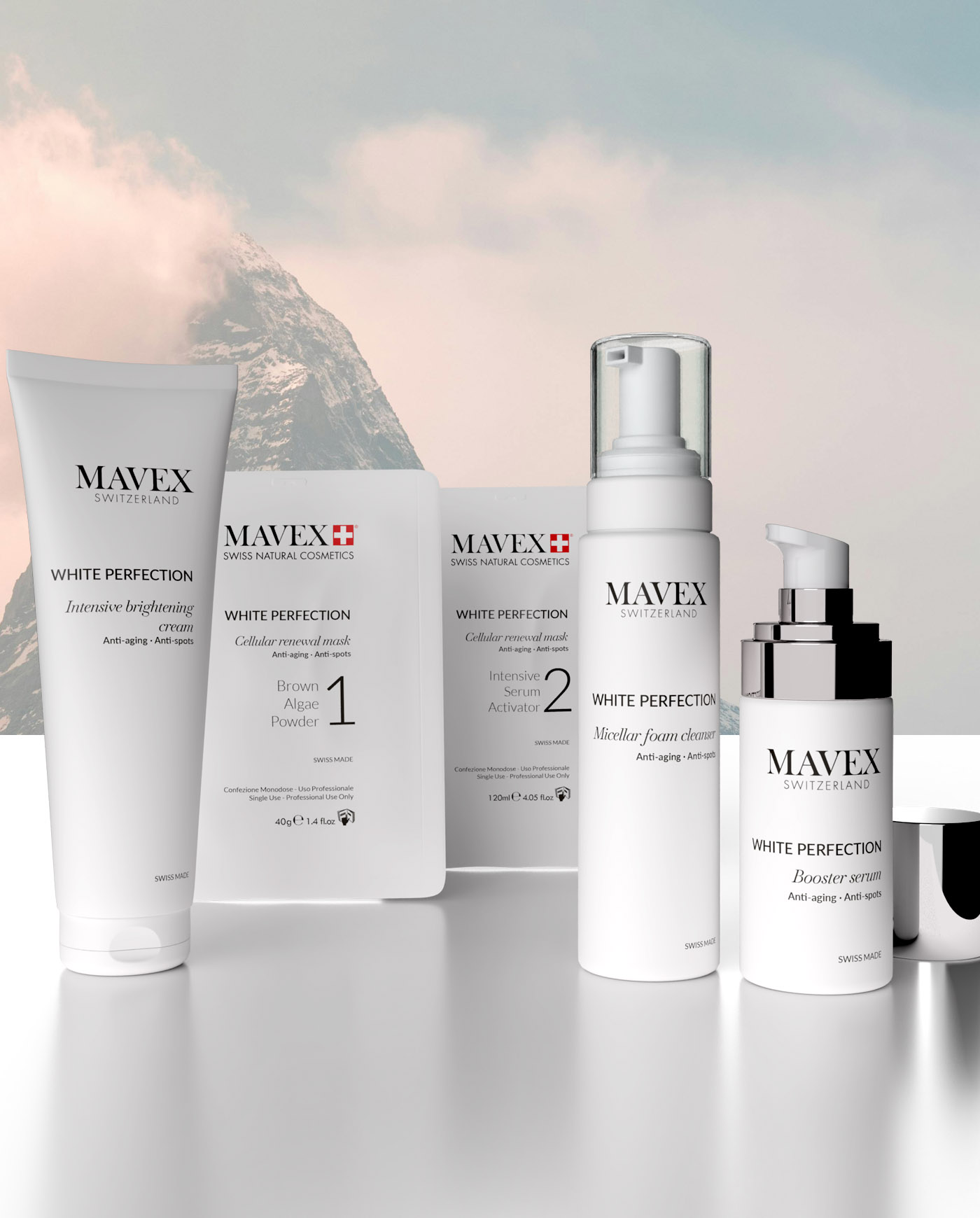
To address the problem of spots, Mavex has developed White Perfection, a specific line that combines several functional active ingredients dedicated to pigmentation, radiance, and signs of aging.
The formulation uses Biomimetic Lamellar Technology, designed to promote the gradual release of active ingredients within the skin.
The ingredients found in the line include:
-
hexylresorcinol;
-
niacinamide;
-
stabilized vitamin C;
-
oleuropein;
-
betaine;
-
vitamin E;
-
hyaluronic acid;
-
alpha-hydroxy acids and phytonutrients derived from fruits such as banana, mango, and cajá.
A combination designed to act simultaneously on discoloration, radiance, renewal, and overall skin quality.
A Possible Anti-Spot Routine for September
Consistency is much more important than occasional use of particularly intensive products.
A routine can begin with gentle cleansing, which is essential for maintaining the integrity of the skin barrier.
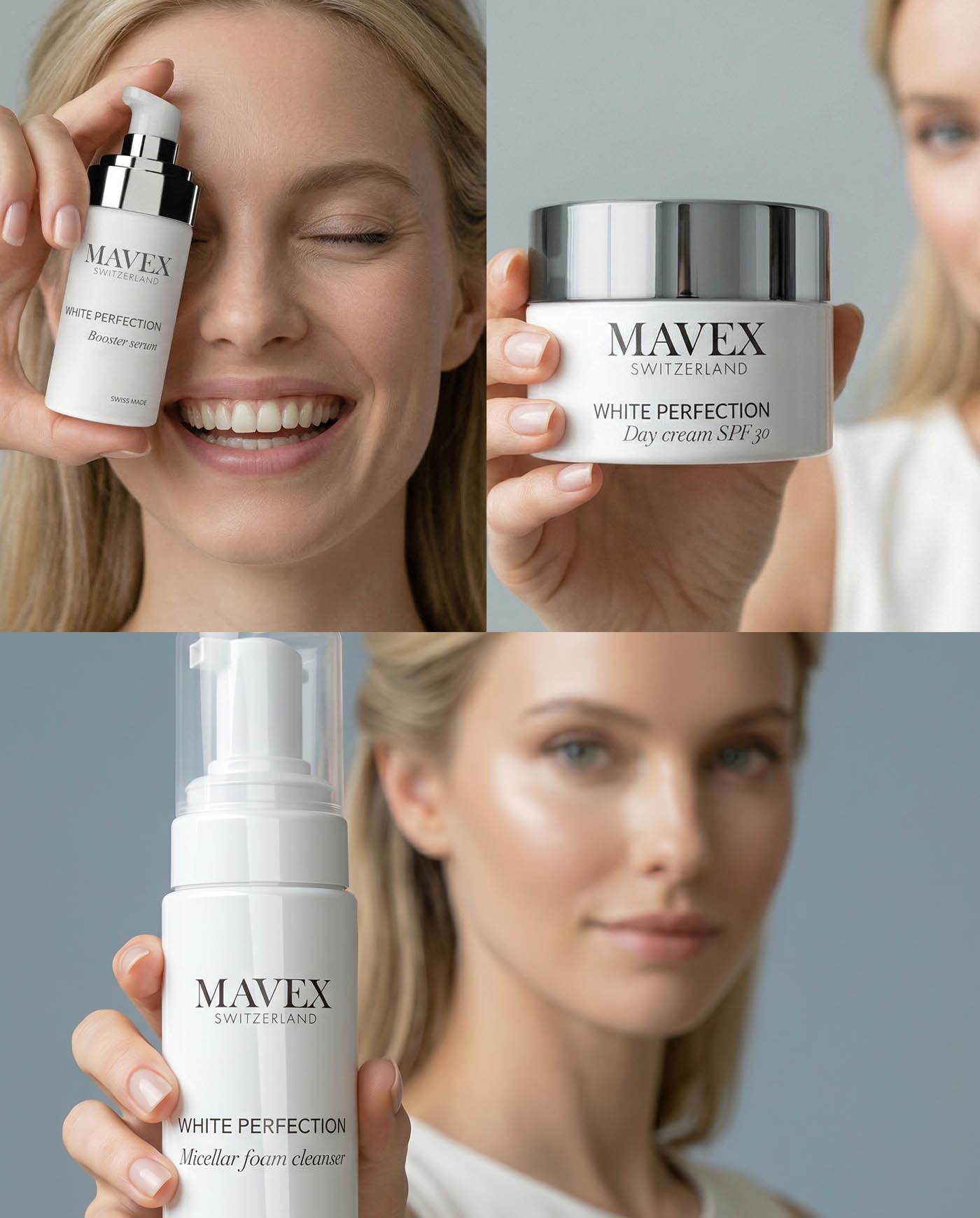
Mavex’s White Perfection Micellar Foam Cleanser, for example, combines gentle cleansing agents with active ingredients such as betaine, vitamin C derivatives, and oleuropein, and is also formulated to meet the needs of skin characterized by spots and discoloration.
After cleansing, a concentrated treatment can be introduced.
The White Perfection Booster Serum contains, among other ingredients, niacinamide, hexylresorcinol, vitamin C, hyaluronic acid, and plant extracts. It has been specifically formulated to help make spots and discoloration less visible and promote a more even complexion.
In the evening, the routine can be completed with White Perfection Night Cream, a nourishing cream that combines the line’s brightening actives with ingredients dedicated to renewal and support of the skin barrier.
Sun Protection: The Step That Should Not Disappear in September
One of the most common mistakes is abandoning sun protection as soon as the holidays are over.
In fact, if you are following an anti-spot routine, daily sun protection remains essential.
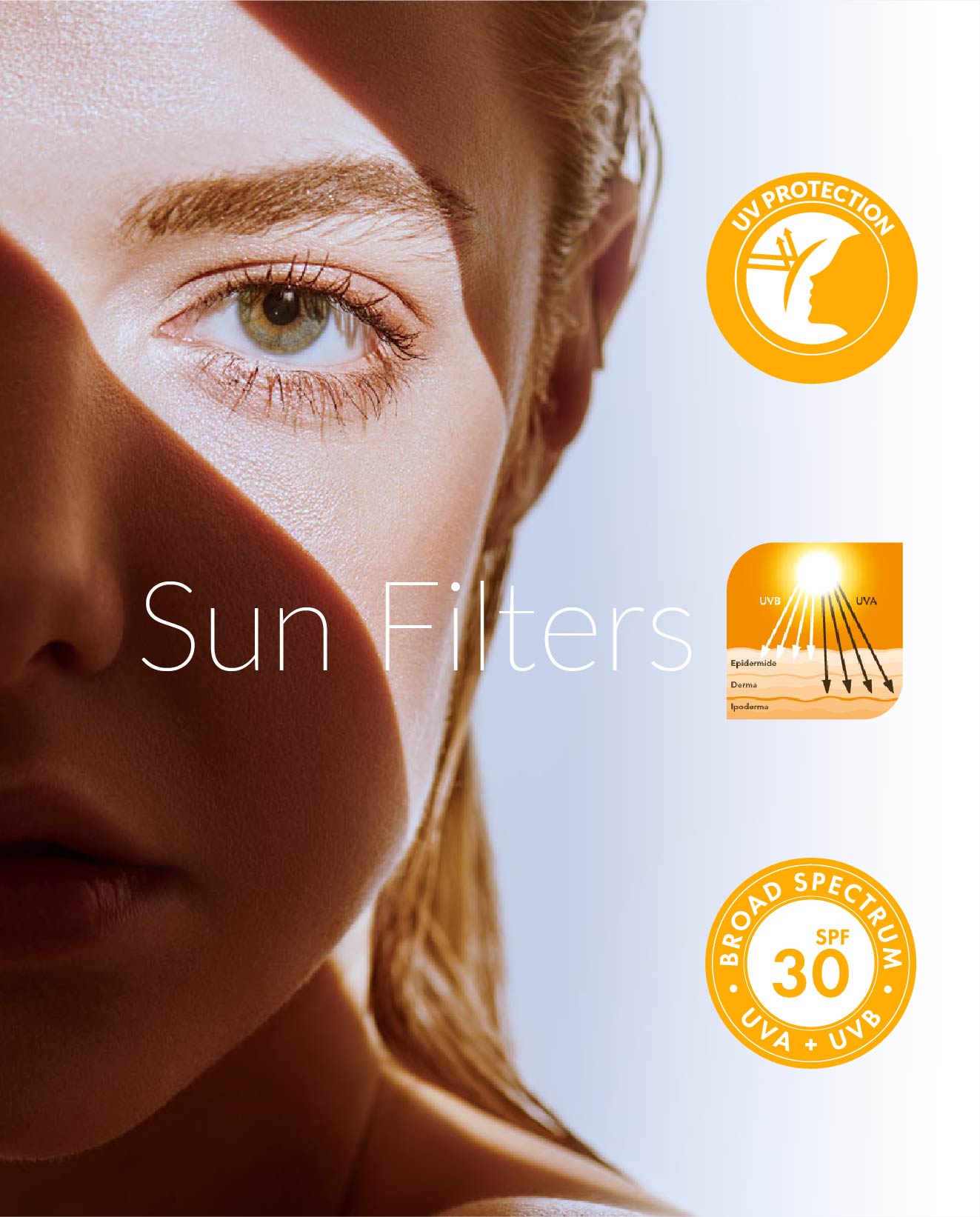
UVA rays reach the skin throughout the year and can contribute both to photoaging and to the persistence of discoloration.
White Perfection Day Cream SPF30 combines cosmetic anti-spot action with broad-spectrum UVA and UVB SPF 30 sun protection, combining UV filters with ingredients such as niacinamide, hexylresorcinol, and vitamin C derivatives.
In this way, daily treatment does not only work on existing discoloration, but also helps create the conditions needed to prevent sun exposure from progressively undermining the results achieved.
When to Consider a Professional Treatment
In the presence of more pronounced discoloration, it may be useful to complement at-home skincare with a professional protocol.
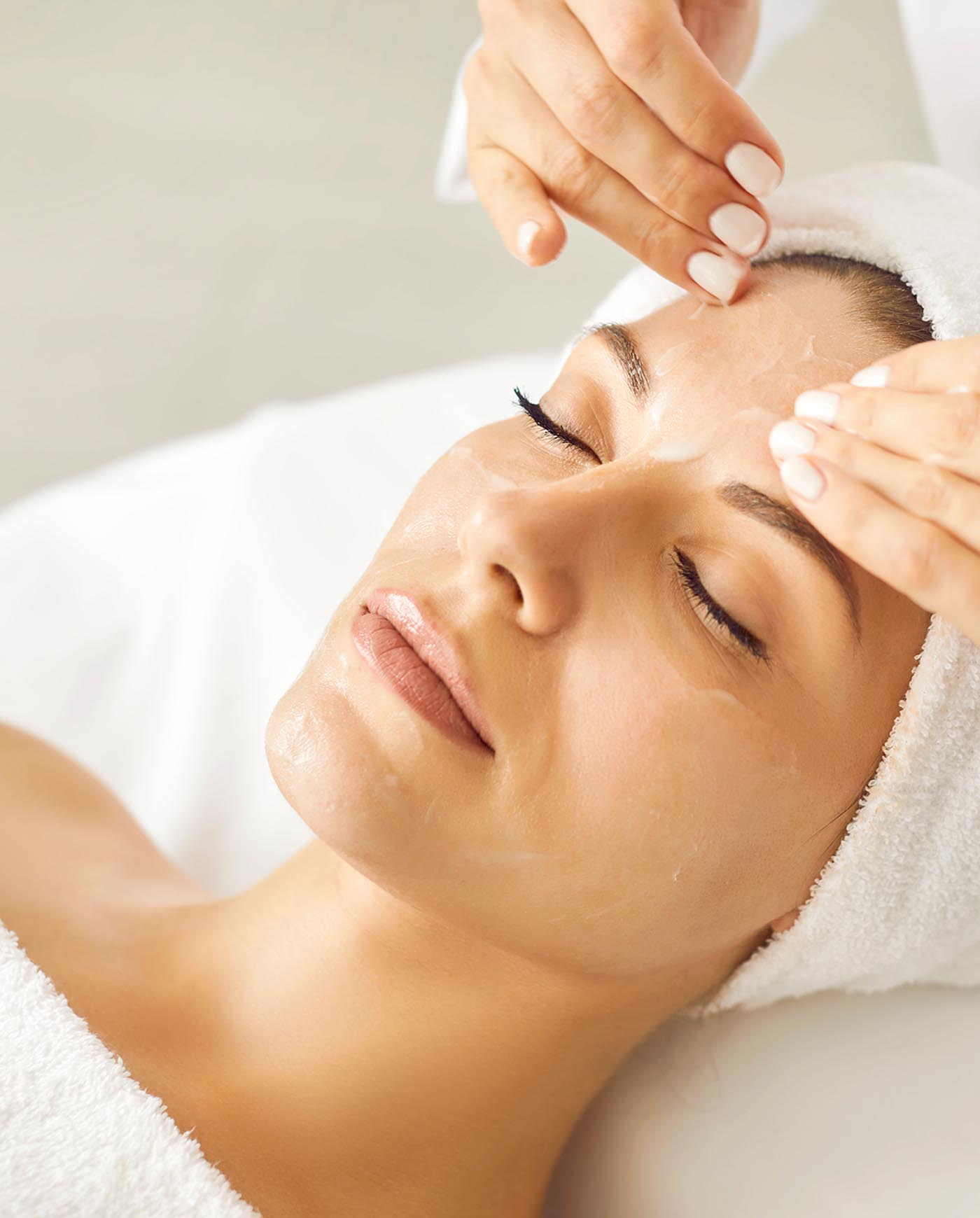
The Mavex White Perfection professional facial treatment was developed specifically to address spots, discoloration, and signs of aging through a protocol that combines skin renewal and specific active ingredients.
The main advantage of a professional approach is the possibility of creating a personalized treatment path based on skin type, the intensity of pigmentation, and its origin.
How Long Does It Take to See Results?
When it comes to spots, it is important to have realistic expectations.
Pigmentation develops progressively and, in the same way, reducing it also takes time.
A good anti-spot skincare routine should be evaluated over the course of several weeks, not after just a few applications.
The result depends on the depth of the pigmentation, the consistency with which the products are used, individual skin characteristics, and, above all, proper sun protection.
The most effective strategy therefore remains one based on consistency: treat, renew, protect, and prevent.
September: The Month for a Skin Reset
After weeks of sun, heat, sea, and increased exposure to external agents, September can become the ideal time to truly assess the condition of the skin and establish a more targeted routine.
Spots cannot be addressed with a single miracle ingredient.
They require balanced formulations, complementary active ingredients, sun protection, and, above all, consistency.
A skincare routine built around active ingredients such as niacinamide, vitamin C, hexylresorcinol, and ingredients dedicated to skin renewal can progressively help improve the brightness and evenness of the complexion.
And it is precisely this multifunctional approach that forms the basis of Mavex White Perfection, the professional and at-home line dedicated to the cosmetic treatment of spots and discoloration.
Discover the White Perfection line and build your professional skincare routine for more even, radiant, and protected skin.



 Italiano
 Deutsch
 Français